
Microservices Architecture Patterns: Lessons from Scaling to 10 Million Users

Michael Chen
Principal Systems Architect
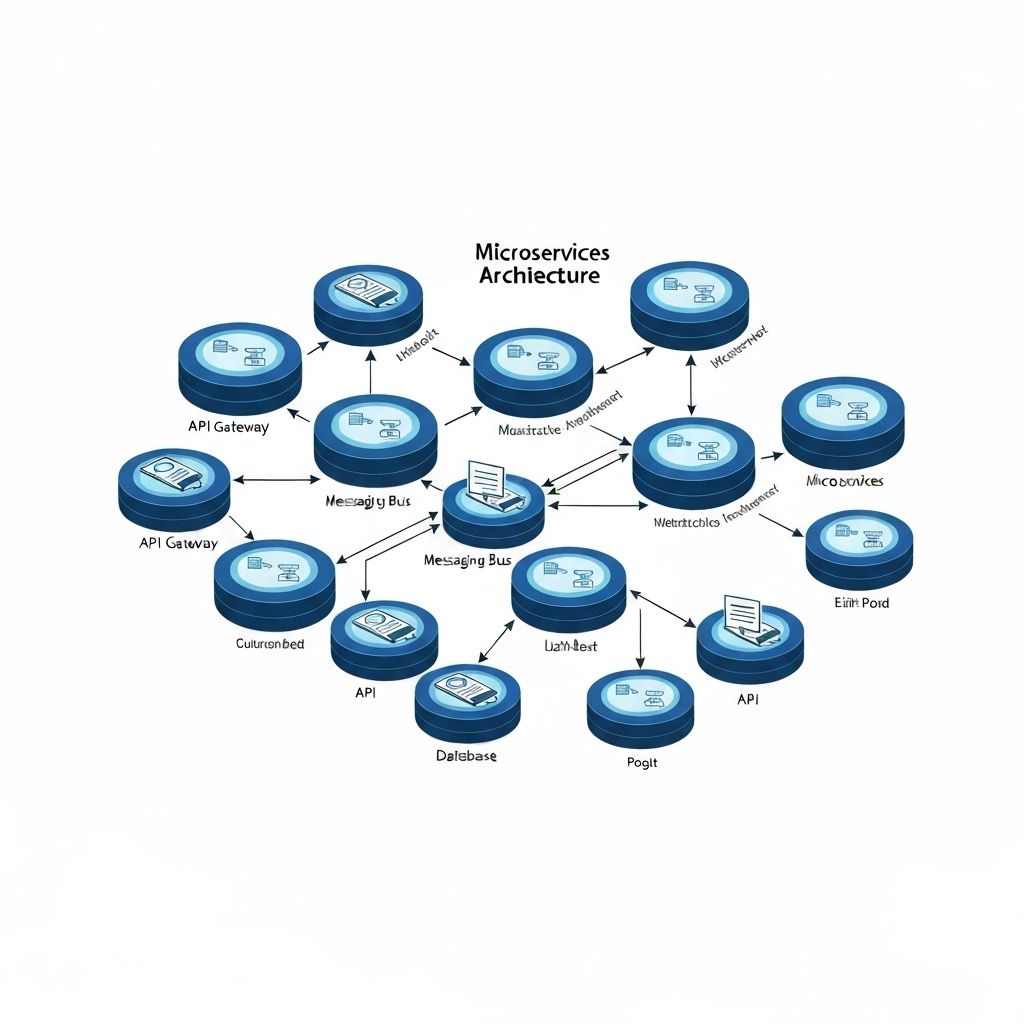
Discover proven microservices patterns and anti-patterns learned from scaling applications to handle millions of concurrent users.
Frequently asked questions
What are microservices architecture patterns and why do they matter at scale?
Microservices architecture patterns are proven structural approaches for decomposing applications into small, independently deployable services that can be scaled and evolved separately. They matter because monolithic designs become bottlenecks as user load grows, making it harder to release features safely or scale individual components without scaling the whole system. Teams that apply the right patterns can sustain reliable operation even as an application grows to serve millions of concurrent users.
What are the most common microservices anti-patterns to avoid?
The most common anti-patterns are designs that introduce distributed systems complexity without delivering the scalability benefits, such as tightly coupled services that must deploy together or chatty inter-service communication that creates latency and cascading failures. Applying microservices to a problem that a well-structured monolith could handle is itself an anti-pattern, since the operational overhead is real even when the scale does not justify it. Recognizing these failure modes early is a key lesson drawn from scaling applications to the tens-of-millions-of-users range.
How do you scale a microservices application to handle millions of users?
Scaling to high user counts requires combining architectural patterns, such as event-driven communication and independent service scaling, with operational practices like robust deployment pipelines and observability tooling. Each service should own its own data store so it can be scaled, deployed, and optimized independently without creating shared-database bottlenecks. The patterns that prove most effective are those refined through real-world experience at companies operating at significant scale, where theoretical design choices are tested against actual traffic.
How do I choose the right microservices patterns for my application?
Pattern selection should be driven by the specific scaling bottlenecks and team structure of the organization, not by the appeal of the architecture in the abstract. Services that have different scaling profiles or release cadences are stronger candidates for decomposition than those that change together and share tight data dependencies. Studying anti-patterns alongside recommended patterns is essential, because knowing what to avoid narrows the decision space and prevents teams from importing complexity that will cost more than it returns.
Working a live deal?
Book a 30-minute working session.
Same operator who runs the diligence engagements. No SDRs, no sales team. Bring the target, I'll bring the checklist.
Share this article
Michael Chen
Principal Systems Architect
Michael has designed and scaled distributed systems for companies like Netflix and Uber, specializing in microservices architecture and high-availability systems.